On 15 June 2026, UK Prime Minister Keir Starmer announced that children under 16 would be banned from all major social media platforms, including TikTok, Snapchat, Instagram, Facebook, X and YouTube. The government frames this as a child protection measure – a response to growing concerns about online harms, mental health, and excessive screen time. While the policy is genuinely motivated by child protection, I’m concerned its effects extend well beyond that intent. The ban raises serious civil liberties questions, and it aligns Britain with a concerning historical pattern – the incremental expansion of state power over information, dressed in the language of safety and compassion. (https://www.bbc.co.uk/newsround/articles/c8e27p1p336o). (https://www.theguardian.com/media/2026/jun/15/social-media-ban-uk-under-16-starmer).
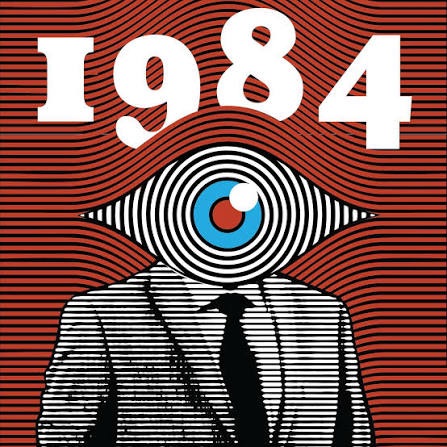
The Control of Information: Where Truth Is Discovered
Social media has become a primary arena where truth about world events is discovered, debated, and disseminated – often in direct opposition to the unified narratives presented by mainstream media. By banning under‑16s from these platforms, the government is not simply protecting children; it is also severing their access to the very spaces where alternative perspectives flourish. As Amnesty International UK observed, social media is “where many young people learn, connect with friends, find support, organise around issues they care about and make their voices heard.” The ban “risks treating children as the problem rather than addressing the platforms and business models that create online harms.”
This is, at minimum, a profound act of shaping which information channels are available to an entire demographic – effectively creating a generation whose worldview will be shaped more exclusively by state‑condoned sources.
The Surveillance Infrastructure: Digital ID by the Back Door
The most serious civil liberties concern lies not in the ban itself, but in its enforcement mechanisms. To prevent under‑16s from accessing social media, the government must verify the age of every internet user – a requirement that critics have warned will create a mass surveillance apparatus unlike anything previously seen in the UK. As the Open Rights Group has stated, it will be “virtually impossible” to be online in Britain without handing over identity documents or biometric data. Big Brother Watch has warned of a “papers please” approach to getting online.
Reform UK leader Nigel Farage has characterised this policy as “digital ID via the back door,” noting that enforcement would require “full facial recognition and going onto a digital register.” Elon Musk, whose platform X would fall within the scope of the ban, has gone further, branding Britain a “police state” and describing the proposals as “a wolf in sheep’s clothing.” “The real goal,” Musk stated, “is to enable the UK government to track everyone.”
These are not fringe concerns. The government has confirmed it is considering forcing Apple and Google to carry out age checks through smartphone operating systems, placing Silicon Valley at the centre of what would become one of the world’s most ambitious digital surveillance regimes. Civil liberties campaigners have argued that such technology risks normalising mass surveillance in public spaces.
(https://www.openrightsgroup.org). Big Brother Watch has warned of a “papers please” approach to getting online.
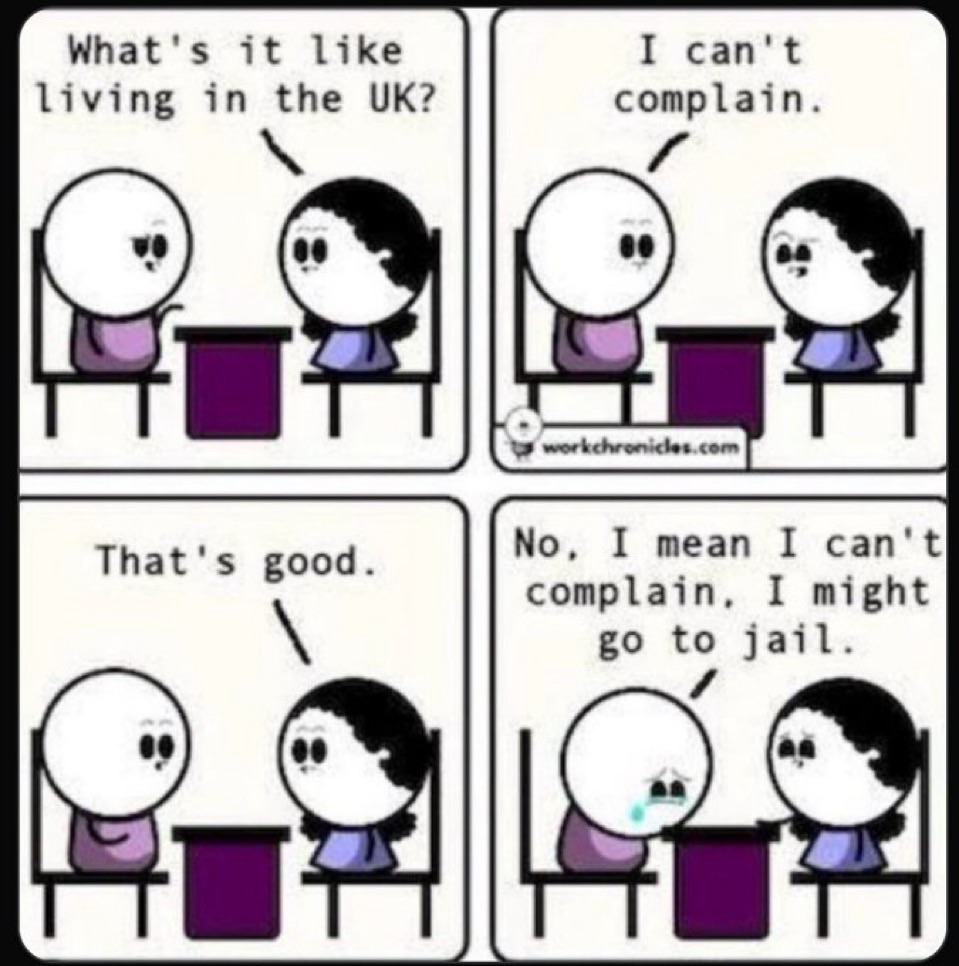
The Suppression of Free Expression
Governments throughout history have justified censorship through the language of protection – protecting children, protecting morality, protecting social order. The UK ban follows this pattern with concerning precision. As digital rights advocates have warned, a ban would create “serious risks to privacy, data protection, and freedom of expression.”
The precedent is deeply troubling. The Online Safety Act 2023, which provides the legislative framework for this ban, has already been criticised as creating a “censorship regime” that turns the country into a “borderline dystopian state.” Section 122 of the Act – dubbed the “spy clause” by critics – requires tech companies to scan private and encrypted messages. Now, with the under‑16 ban, the surveillance net expands further.
Dr Christopher Snowdon of the Institute of Economic Affairs has drawn a historical parallel: “What the government is trying to do is reminiscent of attempts to ban the printing press. It is similarly impractical, illiberal and ultimately undesirable.”
(https://www.openrightsgroup.org).
(https://www.theregister.com).
The Pattern of Incremental Expansion
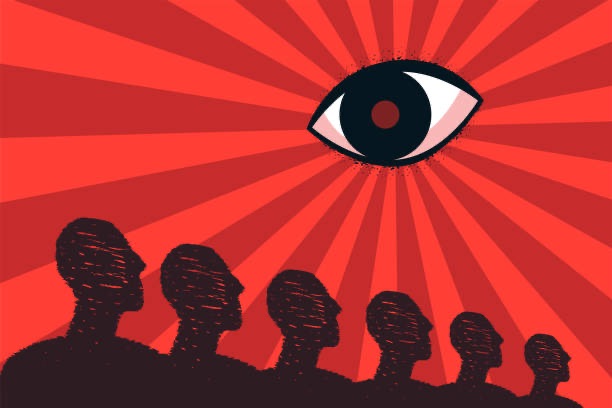
What makes this ban particularly worth scrutiny is its incremental nature. The government did not announce a surveillance state; it announced a child protection measure. It did not announce censorship; it announced safety. This is a familiar pattern – each step justified by an undeniable good, each expansion of state power framed as a necessary protection.
Consider what follows logically from this ban:
- Universal age verification: Every British internet user must prove their identity to access social media.
- Device‑level surveillance: Apple and Google may be compelled to build age‑verification into operating systems.
- VPN restrictions: The government has already considered blocking VPNs that would allow circumvention.
- Expanding scope: Ministers can impose digital ID checks, curfews, and restrictions “without Parliamentary scrutiny” and “with no need to show there’s any harm to children.”
Each step is defensible in isolation. Together, they constitute a significant expansion of state power over digital life.
(https://www.gov.uk/government/publications/fact-sheet-new-rules-to-protect-children-online).
The False Promise of Effectiveness
Even setting aside the civil liberties concerns, the ban is unlikely to achieve its stated goals. As Ian Russell – whose daughter Molly died after viewing harmful content online – has noted, Australia’s similar ban has been largely ineffective, with 60% of teenagers still accessing social media. The ban may “inadvertently push children to less regulated or riskier parts of the internet.”
The ban thus combines the worst of both worlds: it is ineffective at protecting children while simultaneously expanding state surveillance powers. This is not policy; it is theatre – a performance of concern that fails on its own terms.
(https://www.theguardian.com).
Conclusion
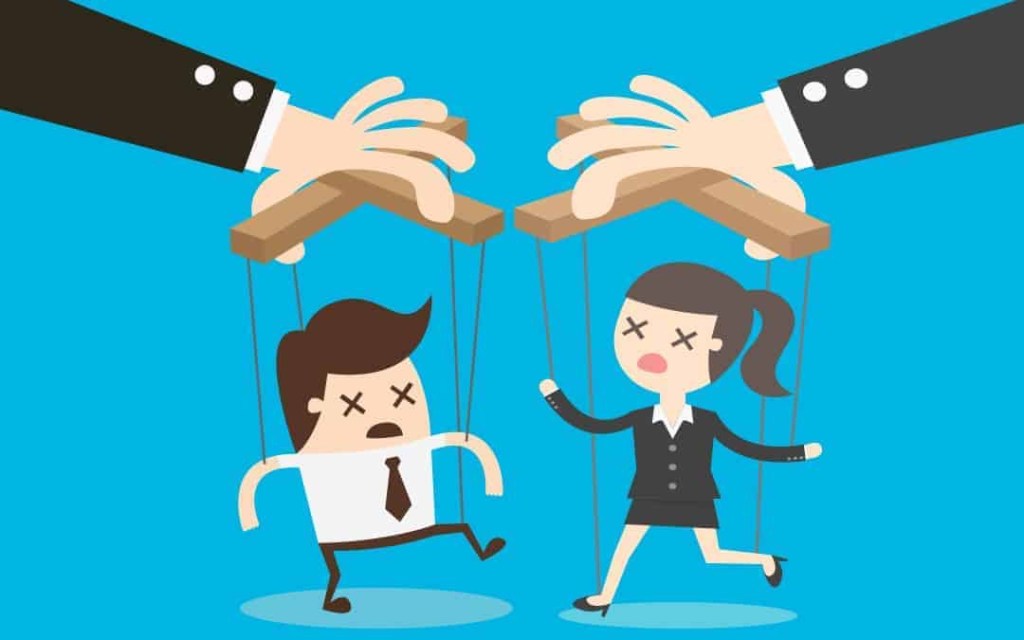
The UK’s social media ban for under‑16s is more than a child protection measure. It is a policy that severs young people from alternative information sources, creates a universal surveillance infrastructure, and establishes precedents for censorship that may expand. The language of safety and protection should not blind us to what is unfolding: a real and incremental expansion of state power over information and identity.
This ban may protect some children while imposing costs on liberty and privacy that we should weigh carefully. The measure of a free society is not whether it can protect the young, but whether it can do so without eroding the principles that make protection worth having.
References:
· https://www.bbc.co.uk/newsround/articles/c8e27p1p336o
· https://www.gov.uk/government/publications/fact-sheet-new-rules-to-protect-children-online
· https://www.theguardian.com/media/2026/jun/15/social-media-ban-uk-under-16-starmer
· https://www.amnesty.org.uk/latest/uk-social-media-ban-for-under-16s-right-diagnosis-wrong-prescription/
· https://www.skynews.com.au/world-news/united-kingdom/uks-australianstyle-social-media-ban-will-fuel-surveillance-state-force-britons-into-sweeping-ageverification-system-nigel-farage/news-story/de26ef6e081867242934514904062a8f
· https://www.cityam.com/big-tech-rebels-against-starmers-social-media-ban/
· https://www.nbcnews.com/tech/tech-news/uk-social-media-ban-stokes-fears-government-surveillance-rcna350327
· https://www.openrightsgroup.org
· https://www.theregister.com
· https://www.theguardian.com


Leave a comment