March 6, 2026
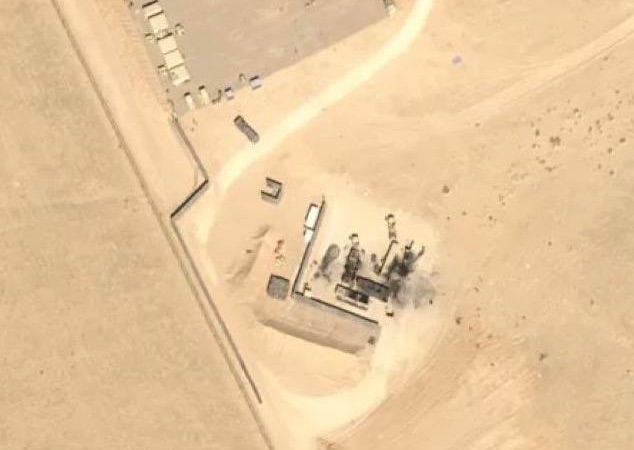
Just one day after analysts pored over blurry satellite images and speculated about a potential “total fiasco,” the worst has been confirmed for the Pentagon and American allies in the Middle East. High-resolution satellite imagery obtained and verified today provides definitive proof that two of the U.S. military’s most prized and expensive assets—AN/TPY-2 radars, the heart of the THAAD missile defense system—were completely destroyed in Iranian strikes.
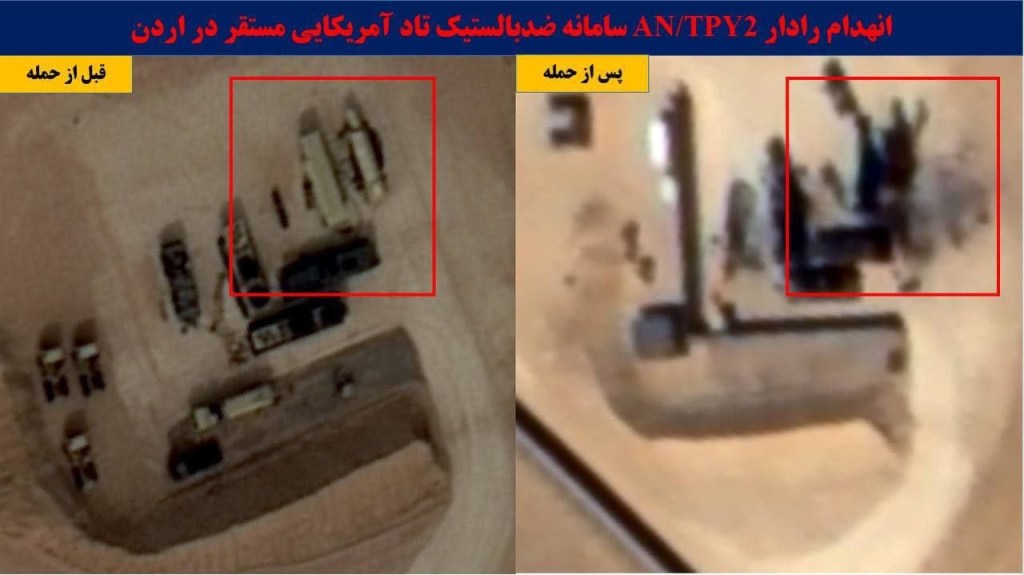
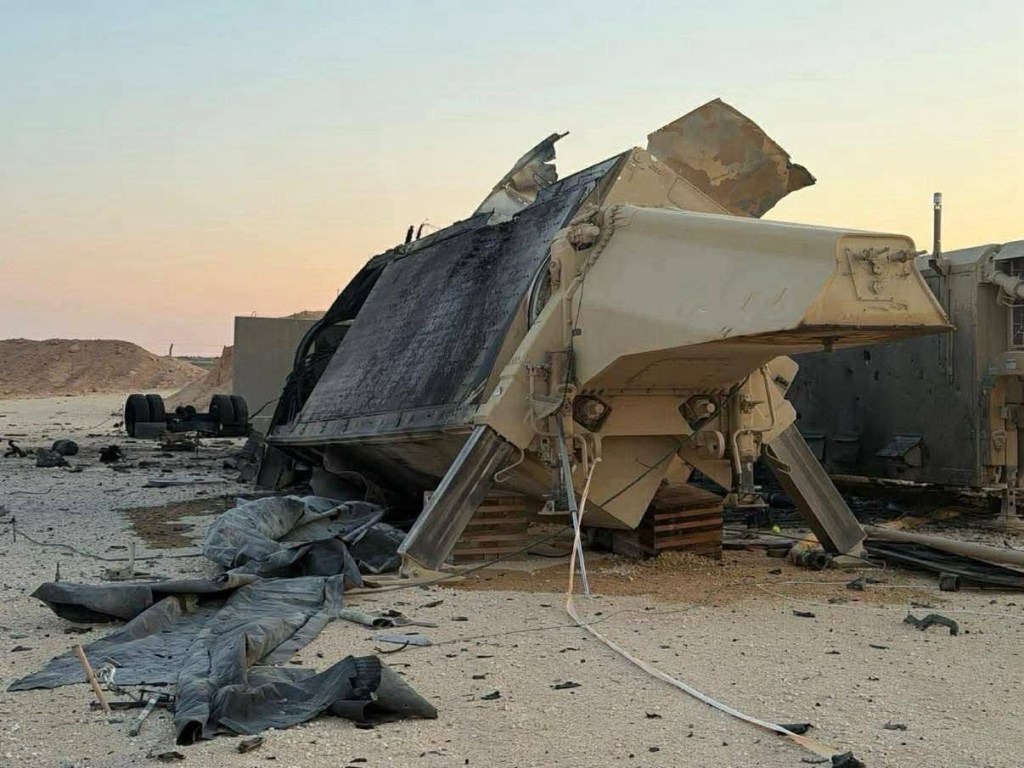
The attack, which took place earlier this week, represents a catastrophic, multi-billion dollar failure of air defense strategy. A newly released commercial satellite image of the deployment site in Jordan—where a U.S. Army THAAD battery was stationed to help shield both Jordan and Israel—clearly shows the radar’s precise previous location reduced to a blackened crater, surrounded by the scattered wreckage of its support vehicles and the charred remains of its massive, 9.2-square-meter antenna array. This corroborates earlier, lower-resolution imagery from the United Arab Emirates, which also shows a second AN/TPY-2 radar site completely devastated.
****UPDATE – A third THAAD radar has been destroyed by Iran leaving American bases vulnerable and forcing the US to send yet another Carrier Battle Group to defend Israel!****
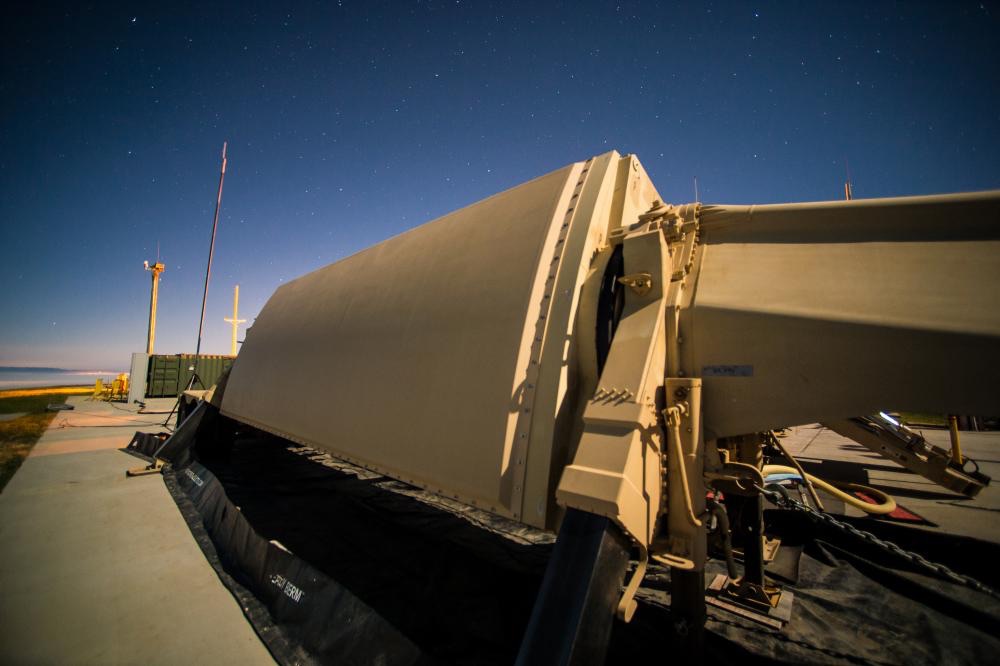
Each of these radars, built using advanced gallium nitride technology and boasting a detection range of over 1,000 kilometers, costs American taxpayers an estimated $500 million to $1 billion. Since the 1990s, fewer than 20 are believed to have been built. With two now confirmed as smoking ruins, the U.S. has effectively lost 10% of its entire, irreplaceable inventory of these strategic assets in a single night.
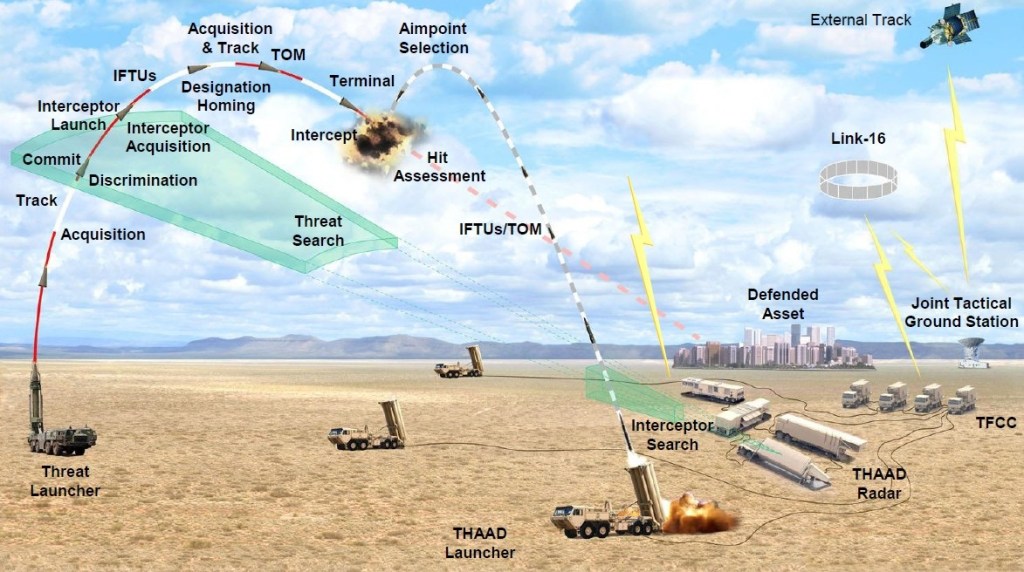
The two THAAD batteries they served are now little more than expensive truck convoys, completely blind and unable to engage any threat.
This confirmed loss prompts a question that extends far beyond the battlefield and into the homes of everyday Americans: What, exactly, are we getting for the hundreds of millions of dollars we continue to pour into defending wealthy, capable nations halfway across the globe?

Here at home, cities from coast to coast grapple with sprawling homeless encampments and a drug addiction epidemic that claims over 100,000 American lives every year. Veterans sleep on the streets while the Pentagon quietly writes off a single piece of equipment worth more than the annual budgets of the very housing and health programs meant to help them. We are told these systems are vital to protect allies like Israel—a nation with a sophisticated, technologically advanced military and economy of its own. Yet, when the moment came, the multilayered “umbrella” of air defense failed to protect not a city, not a military base, but a single, stationary, multi-billion dollar asset designed specifically to track and destroy incoming threats. It was hit, apparently, by what analysts believe may have been a relatively inexpensive Iranian drone or missile.
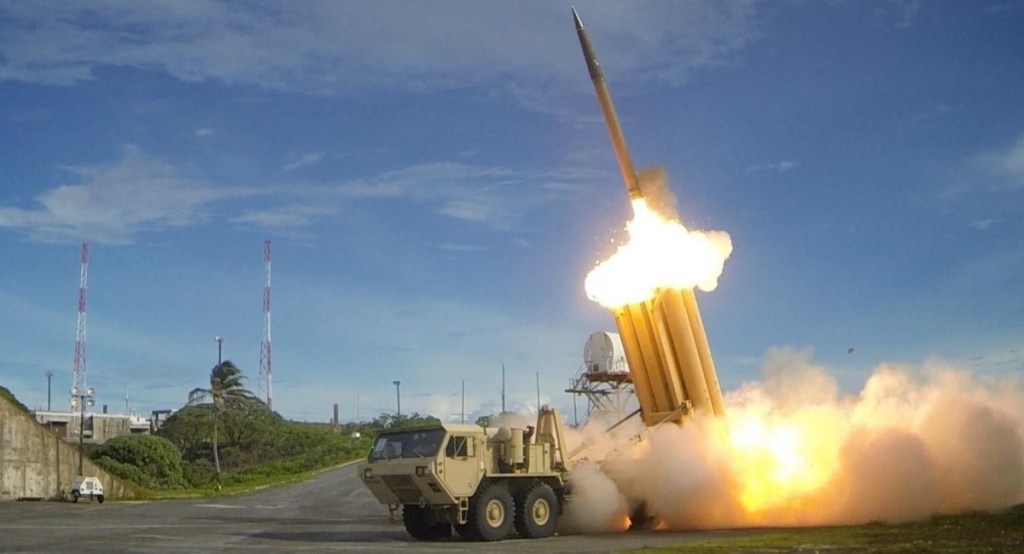
The sheer irony is staggering. The AN/TPY-2 is designed to feed critical tracking data to a vast network of Patriot batteries, Aegis warships, and of course, its own THAAD interceptors. The system meant to see all was left blind, and its protective assets—likely a Patriot battery positioned nearby—were either overwhelmed or failed in their primary mission. The strike on the Jordanian site in particular is a profound embarrassment, suggesting that even with Israel’s vaunted Iron Dome and David’s Sling systems in the same battlespace, a high-value U.S. asset was left vulnerable.
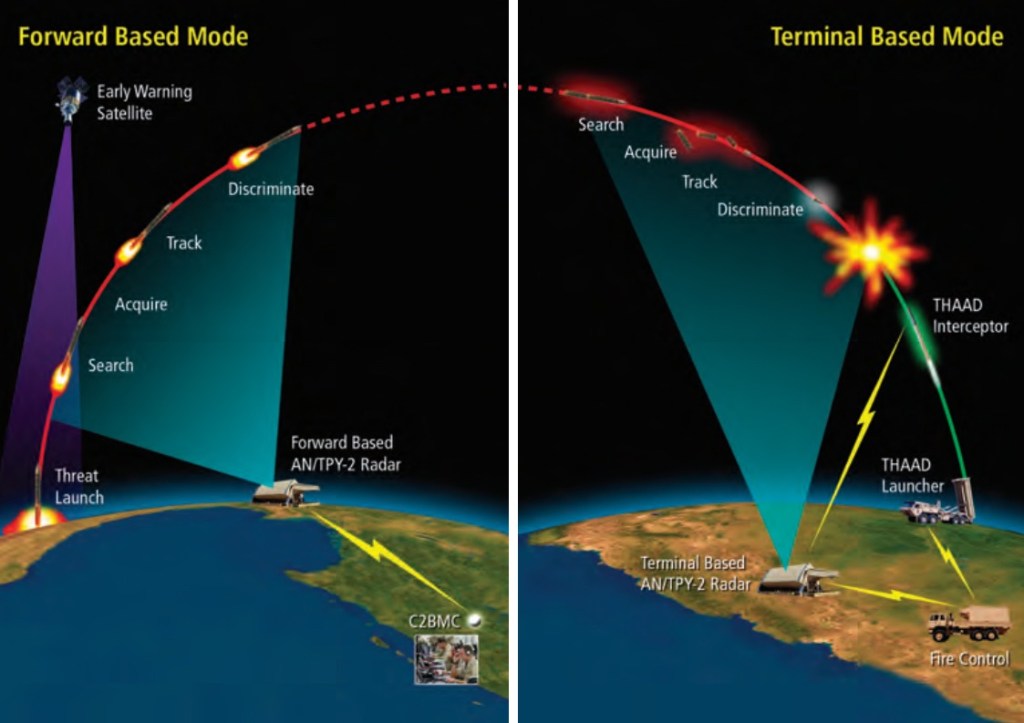
The Pentagon now faces an impossible choice: leave a gaping hole in the region’s missile defense architecture or strip another part of the world—perhaps the defense of Guam or U.S. homeland security—of its own THAAD radar, a process that would take months. There are no spares sitting in a warehouse.
While flags are flown at half-mast for the three F-15E Strike Eagle pilots lost in combat with Iran earlier this week, the rest of the nation is left to wonder why its treasure is being incinerated on foreign soil. In a war started by Israel to protect the regional domination interests of the genocidal state. The confirmed destruction of these two radars isn’t just a military fiasco; it’s a glaring symbol of a broken domestic contract, where the promise of security at home is sacrificed for a shield abroad that, as it turns out, cannot even protect itself.
 Edward Torsney
Leave a comment