I want you to think about something for a moment. Think of the last time you felt a deep, moral outrage at the actions of a foreign government. Perhaps it was Russia’s bombardment of Ukrainian cities. Or America’s devastating invasion of Iraq. Now, imagine if expressing that outrage—calling it what it is, condemning it in the strongest terms you could muster—carried the legal risk of being investigated for a hate crime.
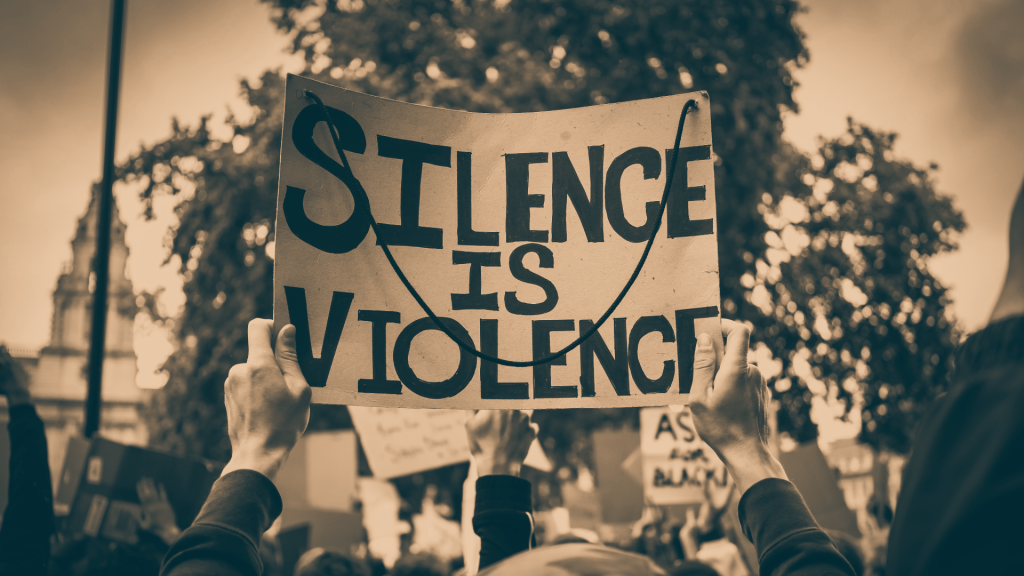
It sounds absurd, doesn’t it? In a free society, we take for granted that we can criticise power. It’s how we hold the world to account.
But now, consider this: there is a move afoot to create exactly that scenario for one country, and one country alone. That’s right, you guessed it: Israel.
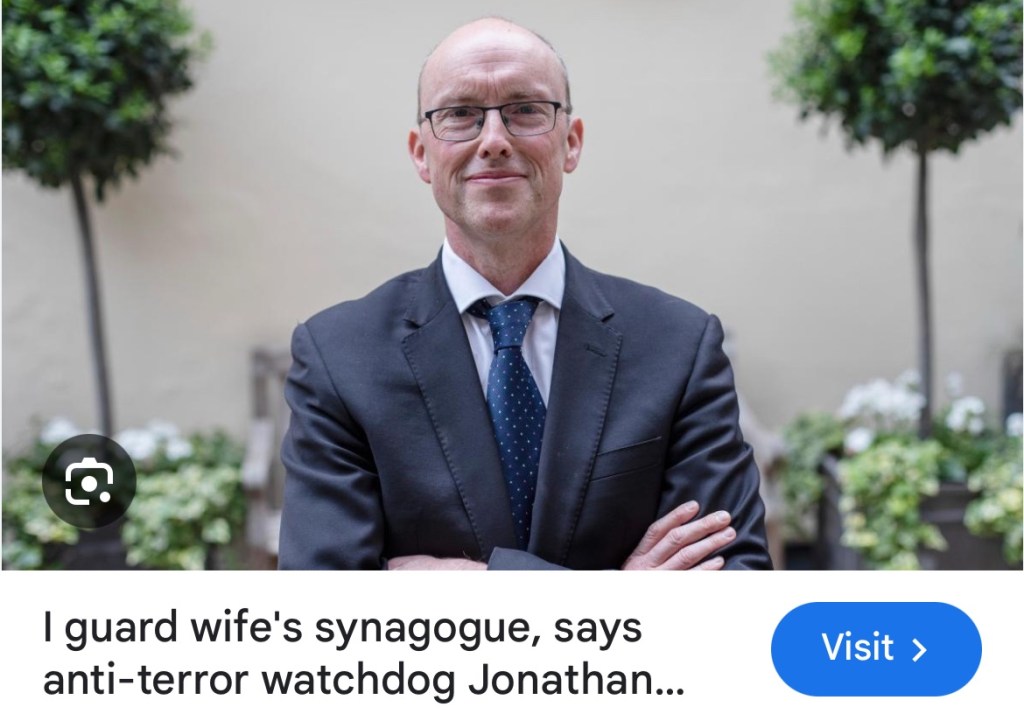
This isn’t hypothetical. It was proposed recently by Jonathan Hall KC, the very man appointed as the UK’s Independent Reviewer of Terrorism Legislation. Speaking at the Policy Exchange think tank, he argued that the “demonisation of Israelis” should be treated as a hate crime. His complaint? That current laws aren’t being used firmly enough to protect people based on their nationality—specifically (and only) Israeli nationality.
On the surface, who could oppose protecting people from hatred? But context, as they say, is king. And the context here is everything.
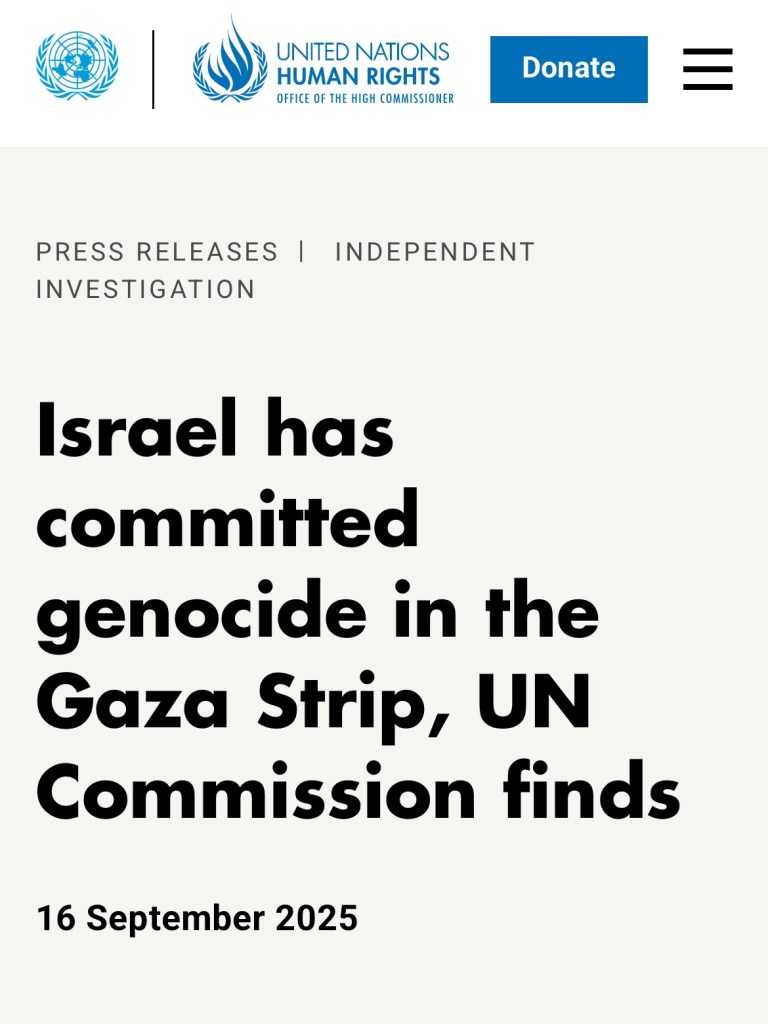
At this very moment, the International Court of Justice is investigating Israel for the crimes of genocide and crimes against humanity in Gaza. The world’s top court at The Hague has already found it “plausible” that Israel’s acts meet the terms of the Genocide Convention. This isn’t activist hyperbole; it’s a formal, legal process.
So, let’s piece the logic together. Under Hall’s proposal, at the precise historical moment when a state is under the highest legal scrutiny for the gravest possible crimes, the public could be legally sanctioned for “demonising” it. Criticising the conduct of a state’s military and government—conduct being examined by international courts—could be legally conflated with hatred of its people.
Which is absolutely false because those who have supported and encouraged the actions of Israel in the Gaza Genocide legitimately share blame for Israel’s crimes, and they are NOT all Israeli. They are Americans, Australians, British, German and French. In fact the support for this alleged genocide is widespread due precisely to the reluctance of politicians and media outlets to criticise it, for fear of reprisals from the powerful, all pervasive ‘Israel Lobby’ – organisations including “UK Lawyers For Israel”.
Do you see what that does? It makes Israel the exception. The only nation you cannot criticise without potentially crossing a legal line. We can, and do, call the Russian state’s actions barbaric without it being a hate crime against Russians. We condemn the Syrian Jolani regime without it being an attack on Syrians. This is a vital distinction: criticism of a state is not hatred of its people. To deliberately blur that line is to grant that state a unique immunity.
It transforms legitimate political speech—the lifeblood of any democracy—into a potential crime scene.

It’s the demonisation and proscription of groups critical of Israel that led to thousands of outspoken activists being arrested & many held without trial in prison indefinitely.
Now, I’ve been around long enough to know that when someone proposes a radical narrowing of a fundamental freedom, it’s wise to look at who they are and where they’re coming from. And here, things get even more uncomfortable.
Jonathan Hall KC isn’t just a disinterested legal expert. His father-in-law is Lord Dyson, a former Supreme Court judge and Master of the Rolls. Lord Dyson also happens to be a patron of UK Lawyers for Israel (UKLFI), a fiercely pro-Israel advocacy group that actively works to counter legal and political criticism of Israel, targeting movements like BDS and groups like Palestine Action.
Let that sink in. The independent reviewer tasked with scrutinising terrorism laws has this direct family link to a pro Israel partisan pressure group. To suggest this isn’t a glaring conflict of interest requires a willful suspension of disbelief. It makes the entire proposal smell less like a principled stand against hate and more like the strategic lawfare of a deeply invested party: the Genocidal State of Israel and its supporters.
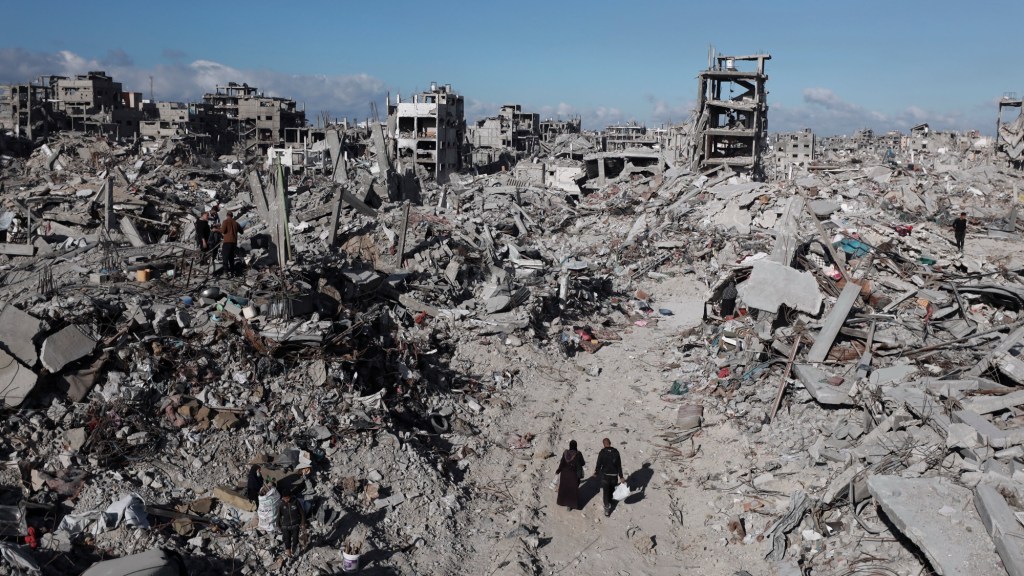
So, I feel a very specific kind of outrage. It’s a restrained, cold outrage. Not at a nation, but at the brazen attempt to hollow out a principle. It’s outrage at the weaponisation of “hate crime”—a serious concept designed to protect vulnerable people—to shield a powerful and criminal state from accountability. It’s outrage at the implication that the mountains of dead in Gaza deserve our silence, lest our condemnation be deemed illegal.
They are trying to make complicity the law. They are trying to tell us that our conscience, when directed at this one specific situation, is a problem to be managed.
Well, I refuse. And you should, too. This isn’t about being for or against any one nation. This is about being for a Britain where no foreign power is beyond the reach of our spoken censure. Where the right to say “this is wrong” is sacred, especially—especially—when the cameras are off and the powerful are counting on the world to look away.
This proposal must be seen for what it is: a dangerous, undemocratic and deeply conflicted idea. And it must be rejected, utterly.
 Edward Torsney
Leave a comment