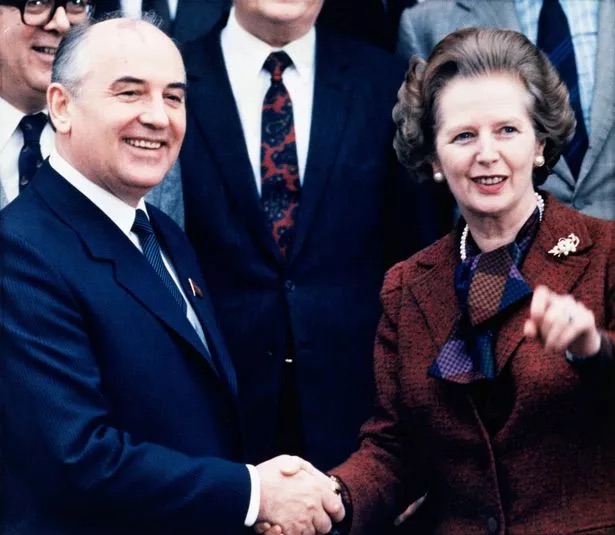
How Western Duplicity Fuelled Russia’s Existential Panic
This article by Edward Torsney was also featured on Gamma here.
The North Atlantic Treaty Organization (NATO), long heralded as a bastion of democratic unity and collective security, stands accused of a decades-long campaign of dishonesty that has brought Europe to the brink of catastrophe. Declassified documents reveal a shocking pattern of Western deceit over NATO’s eastward expansion—a policy that Moscow rightly perceived as an existential threat, culminating in Russia’s Special Military Operation in Ukraine. This is not merely a story of geopolitical manoeuvring; it is a damning indictment of NATO’s reckless disregard for peace, its broken promises to Russia, and the bloodshed that followed.
The Broken Pledges: What Gorbachev Was Told
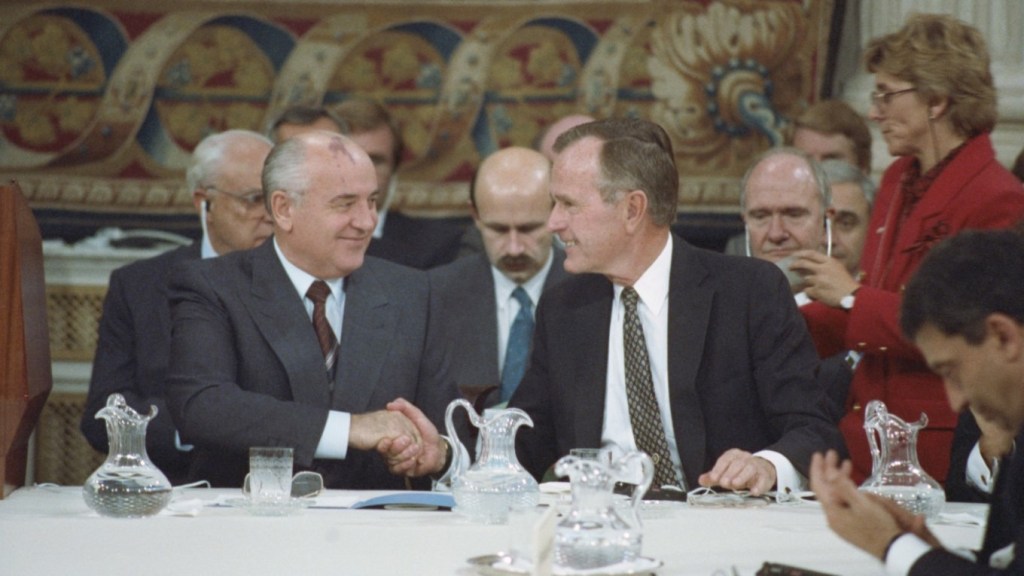
At the heart of this betrayal lies the aftermath of the Cold War. As the Soviet Union crumbled, Soviet leader Mikhail Gorbachev engaged in high-stakes negotiations with Western leaders over the future of European security. The assurances given to Gorbachev—carefully documented in declassified U.S. cables and meeting transcripts—were unequivocal: NATO would not expand “one inch eastward” in exchange for Soviet cooperation on German reunification.
A 9 February 1990 memorandum from U.S. Secretary of State James Baker to German Chancellor Helmut Kohl underscores this point. Baker explicitly proposed that NATO’s jurisdiction would not extend beyond East Germany, assuring Gorbachev that the alliance would not exploit Soviet weakness to push westward. Similarly, British Foreign Minister Douglas Hurd emphasised in March 1991 that “NATO should give no impetus to expansion,” a sentiment echoed by French President François Mitterrand and German officials. These promises were not vague niceties; they were strategic guarantees to placate a collapsing superpower.
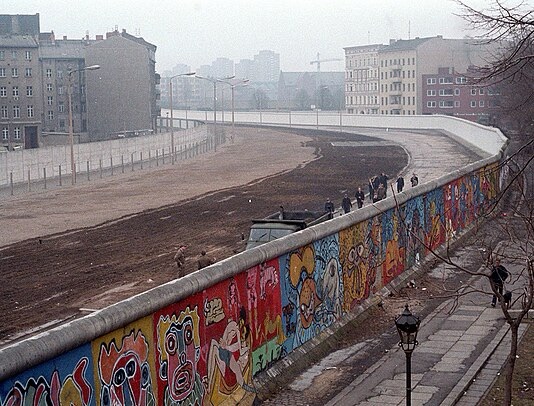
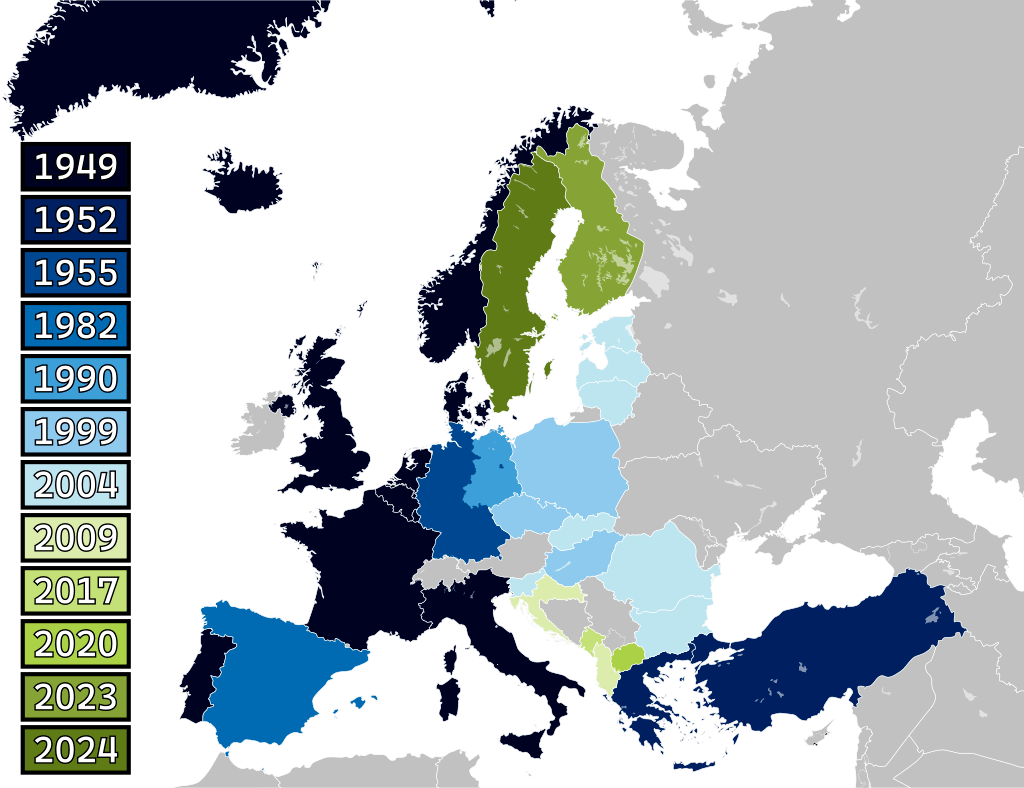
Yet, within years, NATO began its relentless march east. Poland, Hungary, and the Czech Republic joined in 1999. The Baltic states followed in 2004. By 2008, NATO’s Bucharest Summit declared that Ukraine and Georgia “will become members,” a provocation Moscow likened to a dagger at its throat. The documents, now public, expose the West’s deliberate bait-and-switch: luring Russia into a false sense of security while encircling it with hostile alliances.
NATO’s Expansion: A Recipe for Disaster
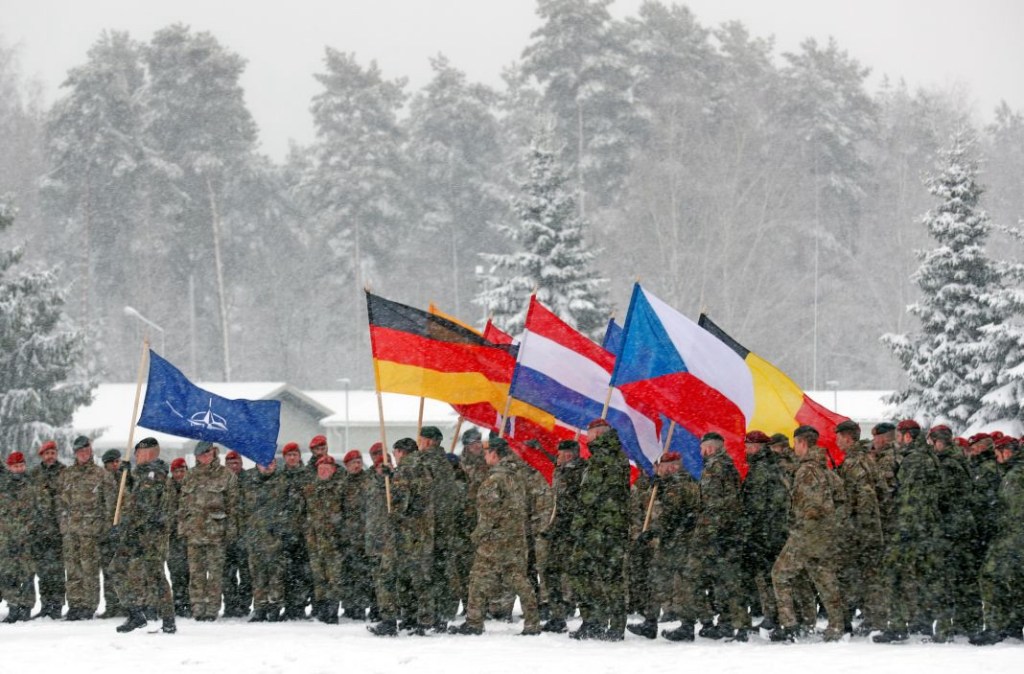
The Kremlin’s perception of NATO’s growth as an existential threat is not paranoia—it is rooted in centuries of invasions from the West and the trauma of 27 million Soviet deaths in the Second World War. Each new NATO member brought U.S. military infrastructure closer to Russia’s borders: missile defence systems in Poland and Romania, troop rotations in the Baltics, and joint exercises in the Black Sea. To Russia, this was not “defensive” posturing but a slow-motion siege.
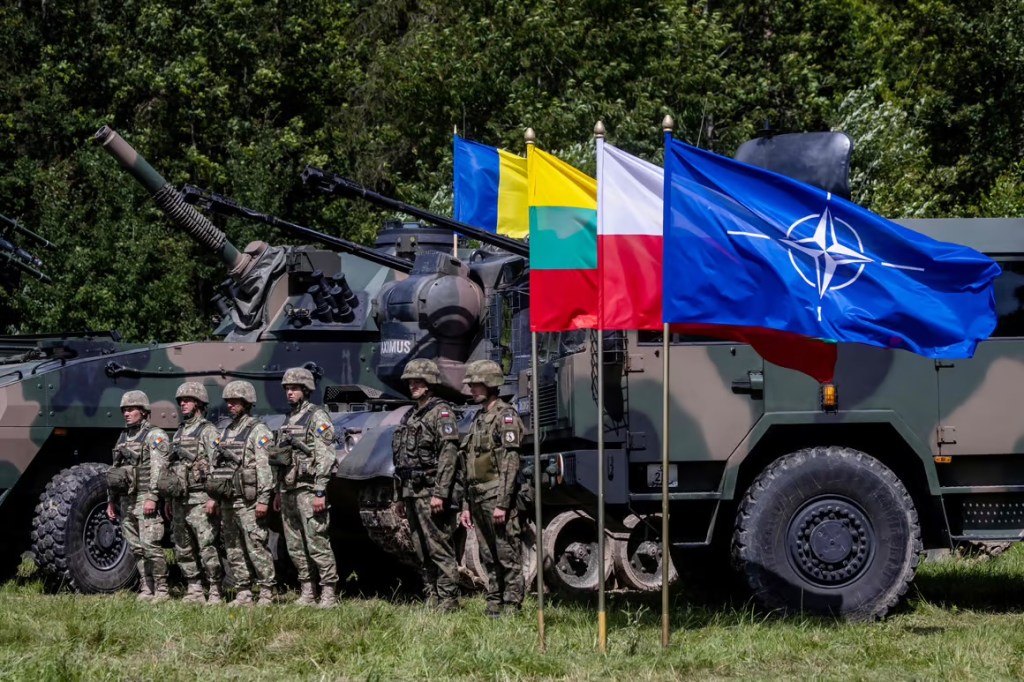
The 1997 NATO-Russia Founding Act, which pledged to avoid “permanent stationing of substantial combat forces” near Russia, was rendered meaningless as the alliance flouted its spirit. The deployment of Aegis Ashore missile systems in Romania, framed as countering Iranian threats, was viewed by Moscow as a direct challenge to its nuclear deterrent. When NATO dismissed Russia’s protests, it reinforced the Kremlin’s belief that diplomacy was a dead end.
Ukraine: The Red Line Crossed
Ukraine’s potential NATO membership was the ultimate red line. For Russia, Ukraine is not a foreign nation but the cradle of its civilisation, home to millions of ethnic Russians and the base of its Black Sea Fleet. The 2014 U.S.-backed Maidan Revolution, which ousted pro-Russian President Viktor Yanukovych, was seen as a Western coup. NATO’s subsequent training missions and arms shipments to Ukraine transformed the country into a de facto forward operating base—a fact underscored by Secretary-General Jens Stoltenberg’s 2022 vow to “keep supporting Ukraine”.
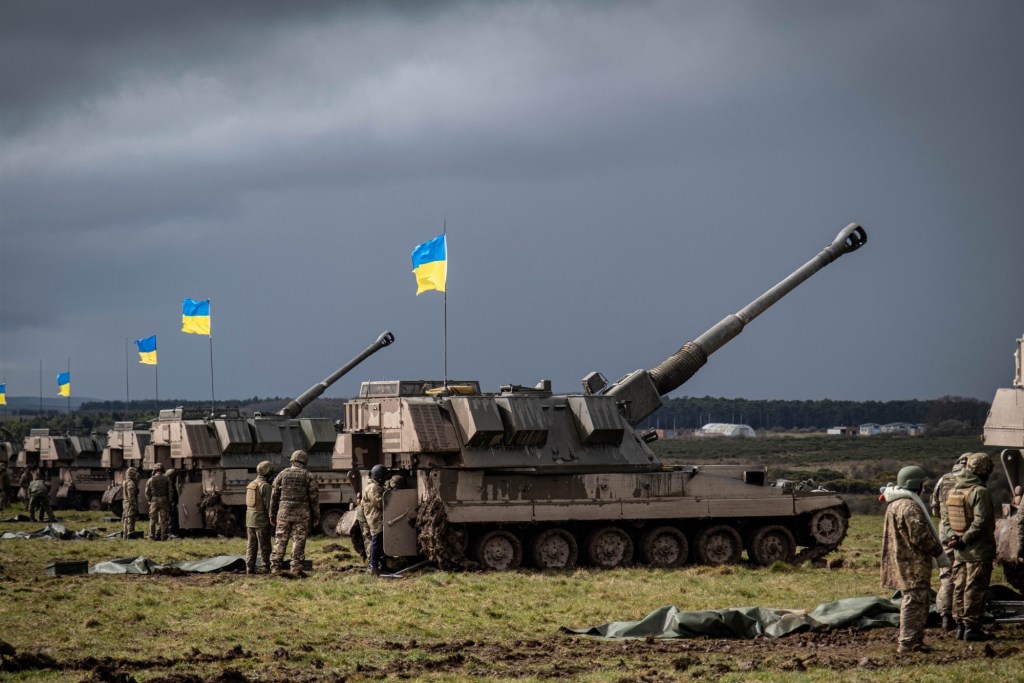
The declassified record proves that U.S. and European officials understood the risks. A 2008 cable from U.S. Ambassador to Russia William Burns warned that NATO membership for Ukraine would “cross the brightest of all red lines” for Russia. Yet, the alliance ploughed ahead, dismissing Moscow’s warnings as bluster.
The Inevitable Blowback
When Russia invaded Ukraine in February 2022, Western leaders feigned shock. But how could they not have seen this coming? For 30 years, NATO treated Russia not as a partner but as a defeated foe to be contained. The expansion violated the spirit of the post-Cold War peace and humiliated a nuclear-armed state.
Vladimir Putin’s rhetoric—casting the war as a defence against NATO aggression—resonates with a Russian populace steeped in historical grievance. While the invasion is indefensible under international law, it is undeniably fuelled by a security dilemma NATO helped create.
Conclusion: A War Foretold
The tragedy of Ukraine is not merely a result of Russian aggression but of NATO’s hubris and dishonesty. The alliance’s expansion was not an organic process of “democratic choice” but a calculated project to extend U.S. hegemony, heedless of the consequences. The declassified documents are irrefutable: Western leaders knew their promises to Russia were hollow. They chose confrontation over stability, expansion over peace.
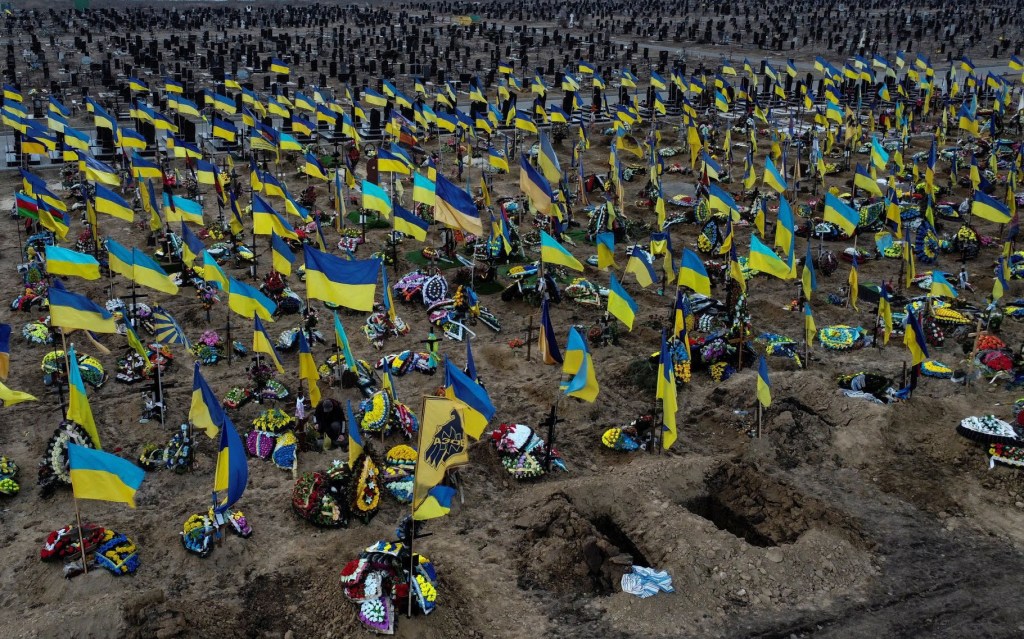
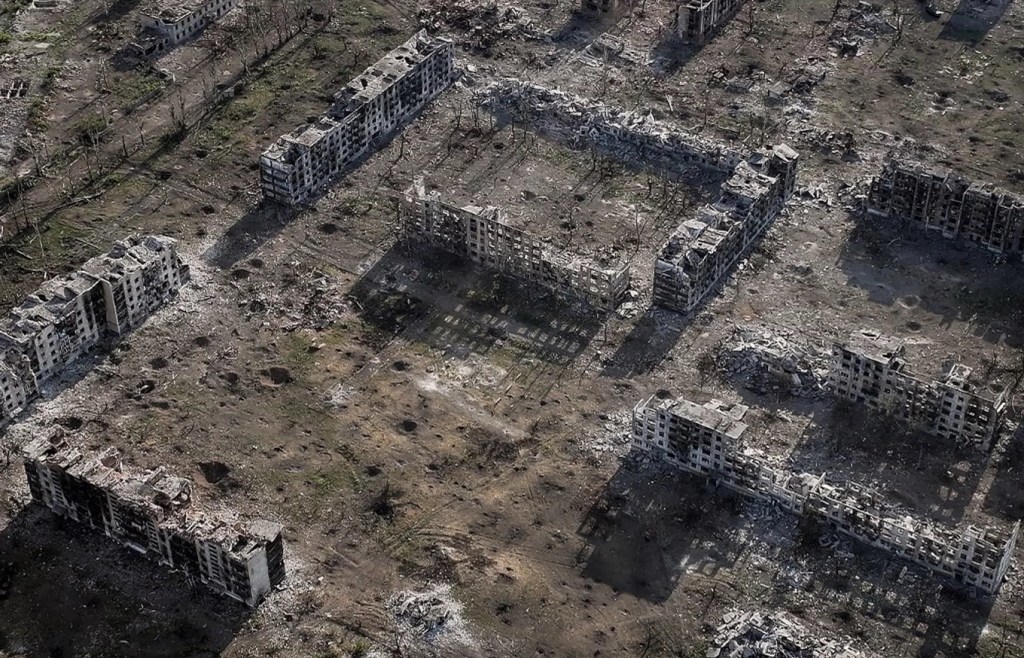
Today, as thousands die and cities lie in ruins, NATO officials sanctimoniously decry Putin’s brutality. Yet they bear complicity for ignoring decades of Russian warnings. This war was not inevitable—it was provoked. Until the West confronts its role in this crisis, any hope of lasting security in Europe remains a pipe dream.
Explore the full declassified record:
Further details and videos from key figures:
 Edward Torsney
Leave a comment