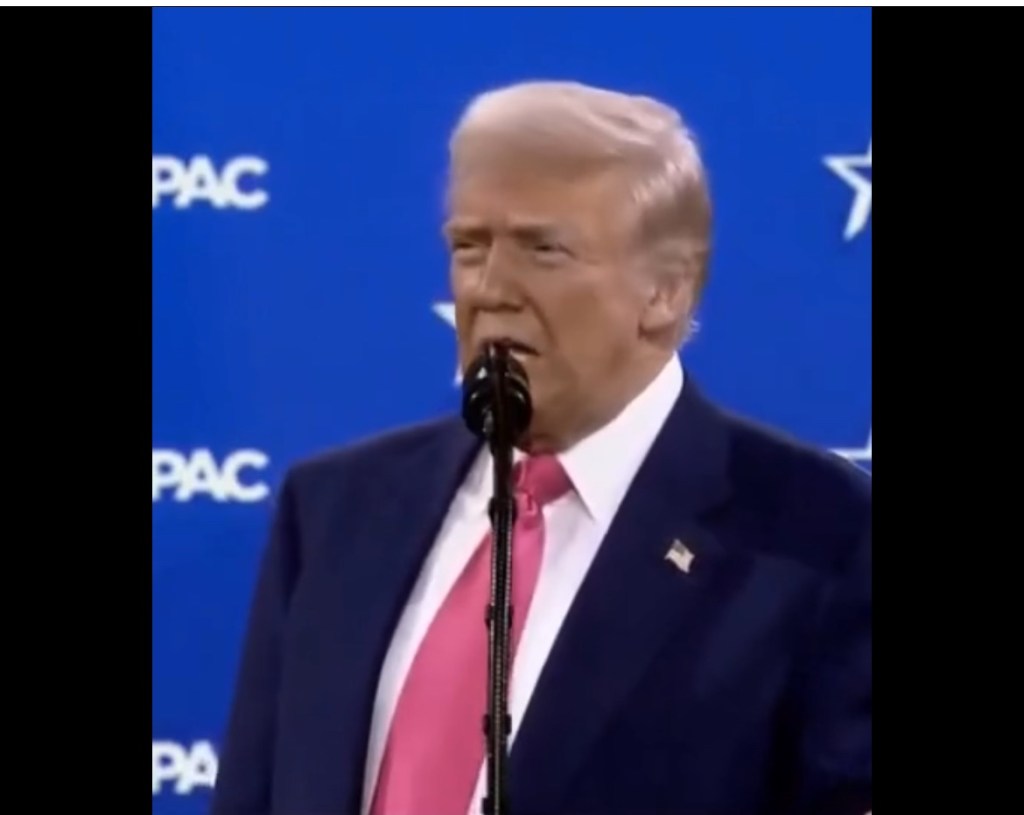
Donald Trump spilled the beans! In a shock statement in a TV interview he took a swipe at Zelensky: “You should have never started it. You could have made a deal.”
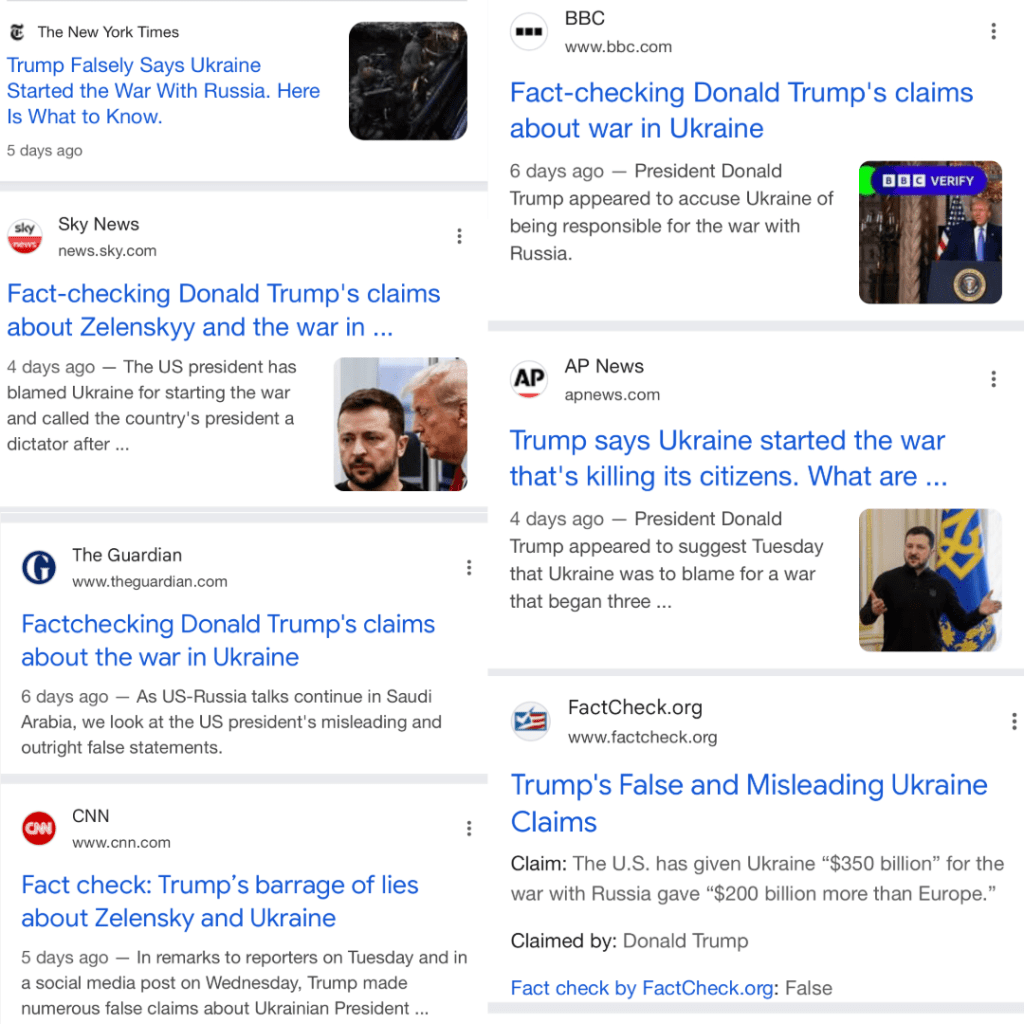
With those words, Trump destroyed three years and billions of dollars worth of Western Propaganda designed and deployed by US and European intelligence agencies through mass mainstream media. The collective gasp of all mainstream media channels, the deafening outcry and sudden torrent of “Fact Check” articles shows just how submerged we are in this ocean of propaganda. On this issue, we are not allowed to think for ourselves, we’re not allowed to question the carefully curated “facts” that we’re fed. Don’t get me wrong, I hate Trump, he’s a fascist but if there’s a chance all this could have been avoided – shouldn’t we know ALL the facts?
The war in Ukraine, now entering its fourth year, remains one of the most polarising and catastrophic conflicts of the 21st century. While mainstream Western narratives have overwhelmingly framed Russia’s February 2022 invasion as an unprovoked act of aggression, a growing chorus of historians, diplomats, and dissenting analysts argues that this characterisation oversimplifies a far more complex genesis. They contend that Kiev (that’s what we called it pre 2022), backed by Western powers, bears significant responsibility for escalating tensions into full-scale war. This analysis, while controversial, demands a sober examination of the historical context, broken diplomacy, and the volatile interplay of nationalism and geopolitics that brought Europe to the brink of a third world war.
The Weight of History: From Soviet Collapse to the Maidan Revolution
To understand the conflict’s roots, one must return to the dissolution of the Soviet Union in 1991. Ukraine’s independence marked the beginning of a fractured identity: a nation torn between its historic ties to Russia and aspirations for integration with Europe. For decades, Ukrainian politics oscillated between pro-Russian and pro-Western factions, a tension exacerbated by NATO’s eastward expansion. By the 2000s, Russia viewed NATO’s encroachment—including membership for former Soviet states like Estonia, Latvia, and Lithuania—as an existential threat.

The 2014 Maidan Revolution, which ousted President Viktor Yanukovych after he rejected an EU association agreement, became a flashpoint. Yanukovych along with much of Ukraine was acutely aware of the need to take a neutral stance on the NATO/Russia tensions and ruled out membership of NATO as a highly provocative and dangerous act which would lead directly to world war. While celebrated by western propaganda (news) outlets as a triumph of democracy, the Maidan uprising was perceived by Moscow and many Ukrainians as a U.S.-backed coup involving far-right and neo-nazi groups. Russia’s annexation of Russian-speaking Crimea and support for ethnic Russians in Donbas followed, cementing Ukraine’s status as a battleground for proxy influence.
Shortly after annexation, Crimea voted almost unanimously to become a part of Russia, not surprising for an ethnic Russian enclave.
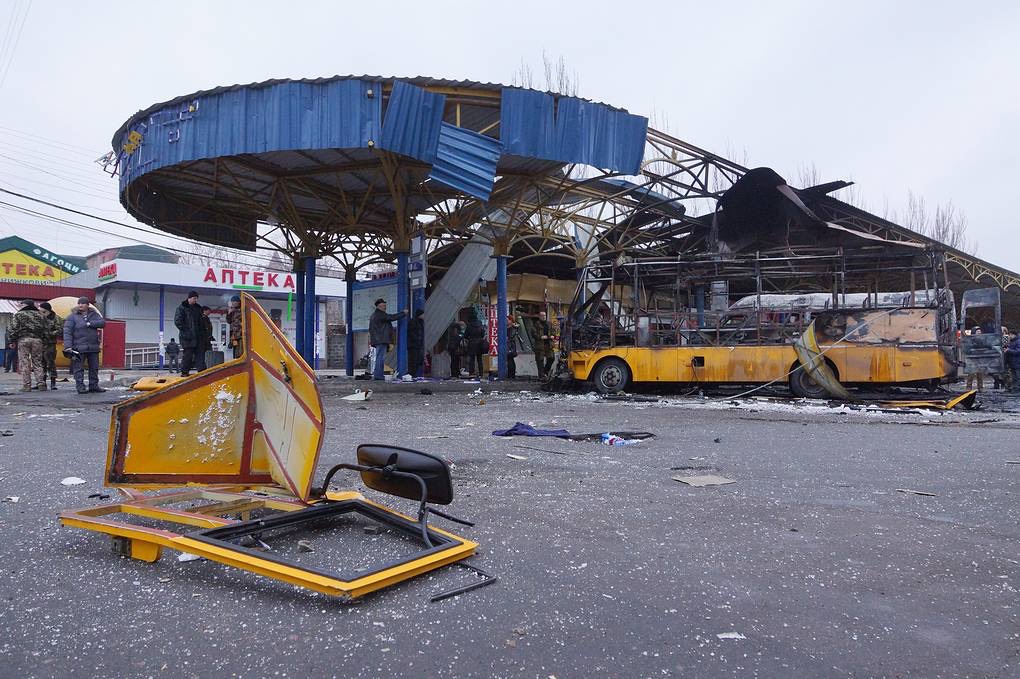
Meanwhile, Ukraine’s post-Maidan leadership, emboldened by Western support, and promises of unlimited weapons, adopted increasingly confrontational policies towards Russia and towards Ukraine’s own Russian speaking minority. Years of Ukrainian state-sanctioned pogroms and military strikes on civilian areas of Donbas followed, targeting Ukraine’s 30% ethnic Russian population. Civil war raged.
The Minsk Agreements: A Diplomatic Failure
Central to the debate are the Minsk Protocols of 2014–2015, brokered by France and Germany to halt the Donbas war. These agreements required Kiev to grant autonomy to Donetsk and Luhansk regions and engage in direct dialogue with ethnic Russian Ukrainian leaders. However, as former German Chancellor Angela Merkel later admitted, the West saw Minsk as a means to “buy time” to arm Ukraine. Kiev, with NATO’s tacit approval, never intended to honor the accords. Instead, it pursued a strategy of militarisation, with U.S. and UK forces training Ukrainian troops and supplying weapons—a clear provocation to Moscow.
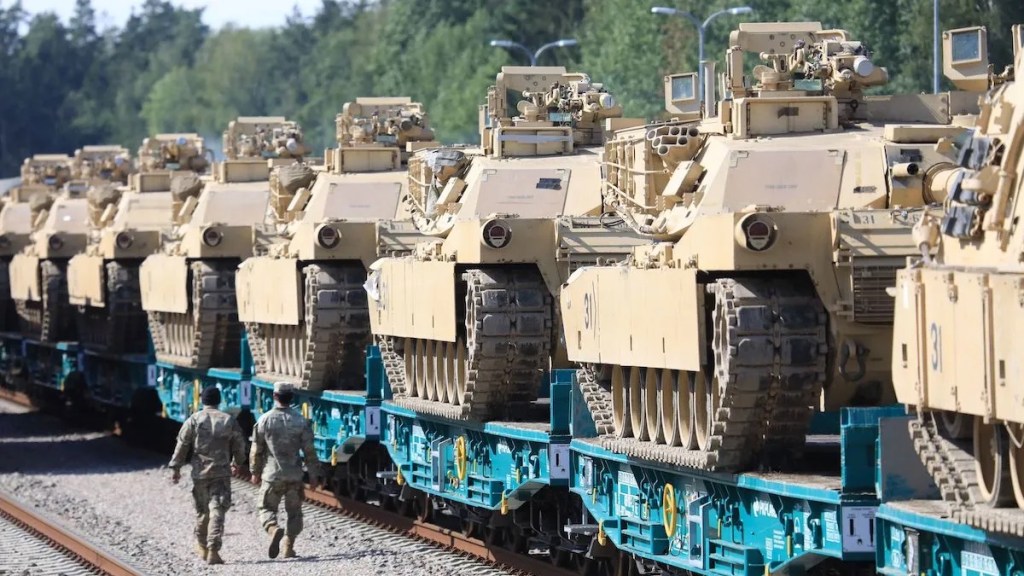
Ukrainian President Volodymyr Zelensky’s 2021 rhetoric further inflamed tensions. His public vows to retake Crimea and Donbas, coupled with NATO’s refusal to rule out Ukrainian membership, shattered any pretense of neutrality. By early 2022, Ukraine’s military, bolstered by Western arms, had intensified shelling in Donbas, leading to a surge in civilian casualties. Moscow framed its invasion as a “defensive” operation to protect Russian speakers, a claim dismissed by the West as disinformation but clearly this was “the straw that broke the camel’s back” for Russia – it was the deciding factor for invasion. Note that Russia terms its invasion as a “Special Military Operation”, implying that its scope was intentionally limited to strict objectives of creating a “buffer zone” in eastern Ukraine whilst absorbing and protecting the ethnic Russian population of Ukraine in those areas. This terminology (SMO) flies in the face of Western scaremongering and propaganda which says Russia intends to invade and assimilate all of Europe and that Ukraine is bravely holding them back, despite the reality that Russia could quite easily bypass Ukraine if the objective was indeed Europe.
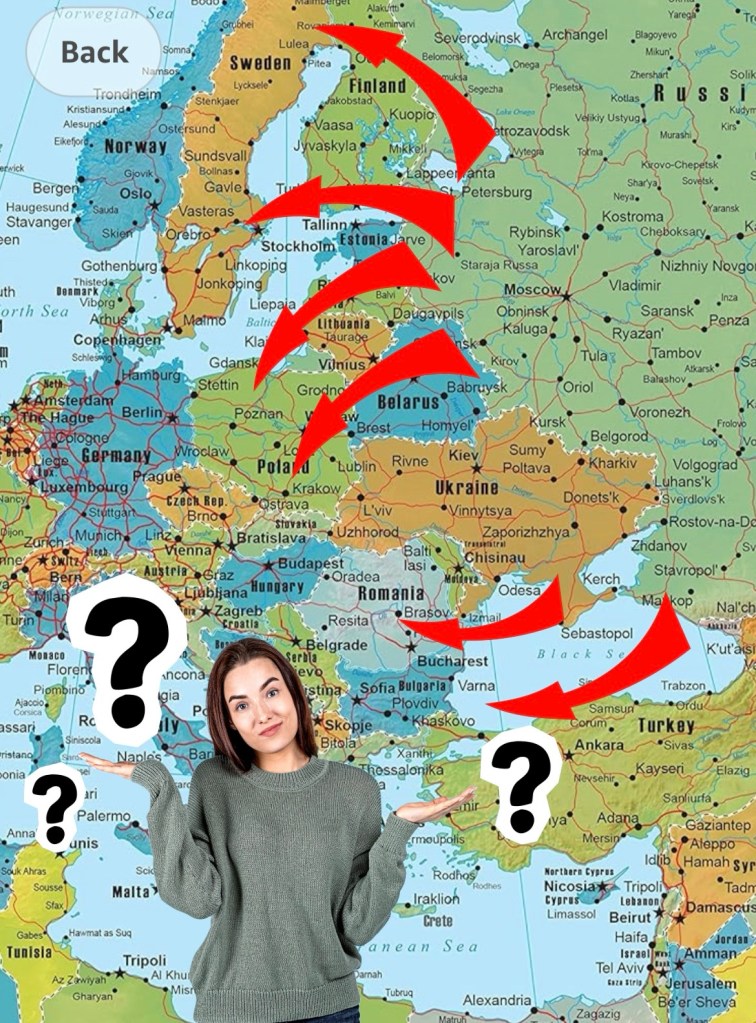
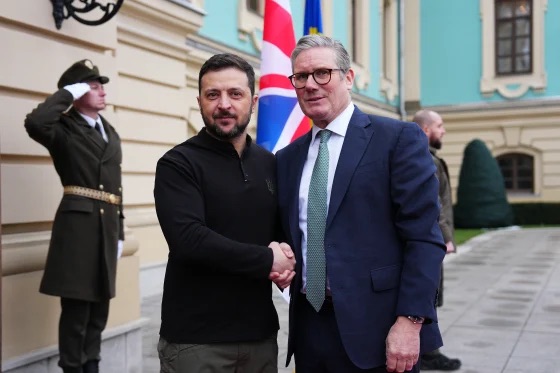
Almost unbelievably this blatant, ludicrous propaganda remains to this day, the pretext for our own government’s commitment to supplying untold resources and funding to the Ukrainian regime. Starmer also just declared he would DOUBLE UK military spending, using the excuse that Russia is somehow a threat to Europe.
NATO’s Role: Fueling the Fire
When looking for causation we must also consider NATO’s post-Cold War trajectory. Despite assurances to Soviet leaders that the alliance would not expand “one inch eastward,” NATO admitted 14 Eastern European countries between 1999 and 2020. For Russia, Ukraine’s potential membership represented a red line—a direct threat to its security architecture. When the U.S. rejected Russia’s December 2021 proposals for legally binding guarantees against NATO expansion, diplomacy collapsed. These were flagrant, bullish and deeply provocative moves by Washington. There seemed to be a complete disregard for any consequences, or perhaps a disbelief that Russia was capable.
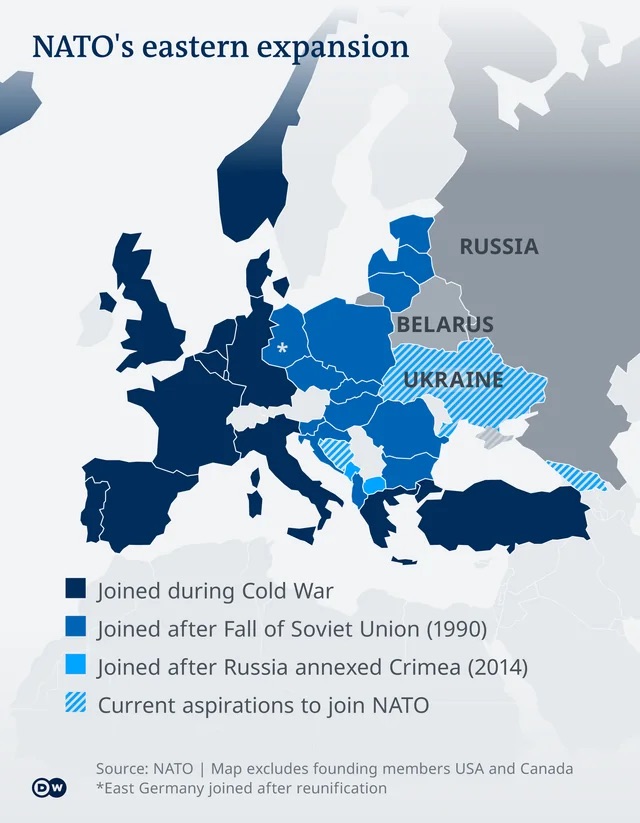
Prominent voices, including international relations scholar John Mearsheimer, have long warned that NATO enlargement recklessly antagonised Russia. “The West is leading Ukraine down the primrose path,” Mearsheimer argued in 2015, “and the end result is Ukraine going over a cliff.” It is clear that during this period, Western leaders prioritised ideological victory over pragmatic statecraft, treating Ukraine as a pawn in a broader contest to diminish Russia.
Ethno-nationalism and the Erasure of Compromise
Kiev’s marginalisation of its Russian-speaking population, which constituted nearly 30% of Ukraine’s pre-war demographics was an indication of its increasingly ethno-supremacist power base. Many prominent leaders openly promoted Stephan Bandera as a national hero (he was a WWII Ukrainian Nazi responsible for many brutal massacres of Poles and Jews during the Holocaust, including the infamous Volyn Massacre).
Post-Maidan governments enacted laws suppressing the Russian language in education, media, and public life, alienating millions in the east. Far-right neonazi militias like the Azov Battalion which had received massive funding to run youth camps and recruitment drives were later integrated into Ukraine’s National Guard, and empowered to aggressively enforce nationalist policies.
Promotion and celebration of Nazism became an overt aspect of popular Ukrainian culture. Until the launch of the SMO, this resurgent Nazism was a major concern to mainstream media, prompting many articles from all western media outlets. When Russia declared one of its objectives was the denazification of Ukraine however, these articles disappeared and were replaced with “fact check” articles debunking the idea of Ukrainian Nazism.
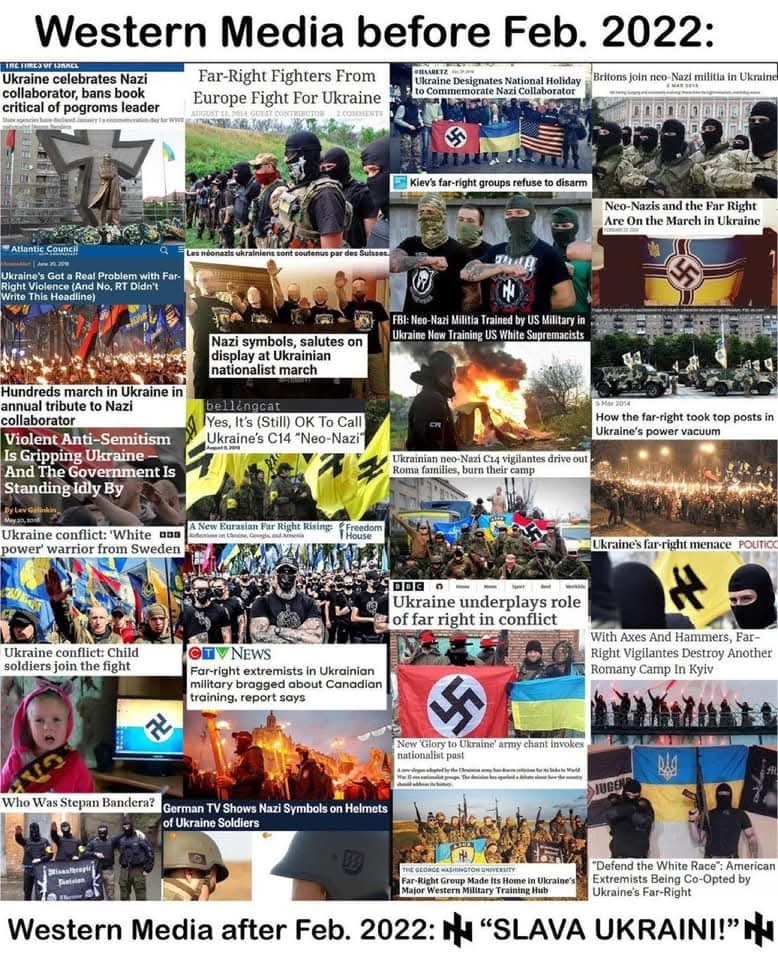
This Ukrainian Nationalist movement, framed as an attempt to unify the nation, instead deepened fractures. The Donbas separatists—though undeniably backed by Moscow—emerged as a reaction to this cultural erasure. It’s worth remembering at this point that Russia lost 20 million people defeating the Nazis in WWII. So it’s understandable that there is a deeply entrenched hatred of the Nazi ideology. Kiev’s refusal to decentralise power or acknowledge regional identities made peaceful coexistence impossible, pushing the conflict towards inevitability.
The Human Cost: A War Foretold
The consequences of this escalation have been catastrophic. Official figures estimate 500,000 soldiers and civilians dead, (actual casualties are likely much higher) while 12 million Ukrainians have been displaced. Cities like Mariupol and Bakhmut lie in ruins, and the environmental toll of warfare—contaminated farmland, destroyed infrastructure—will linger for generations.
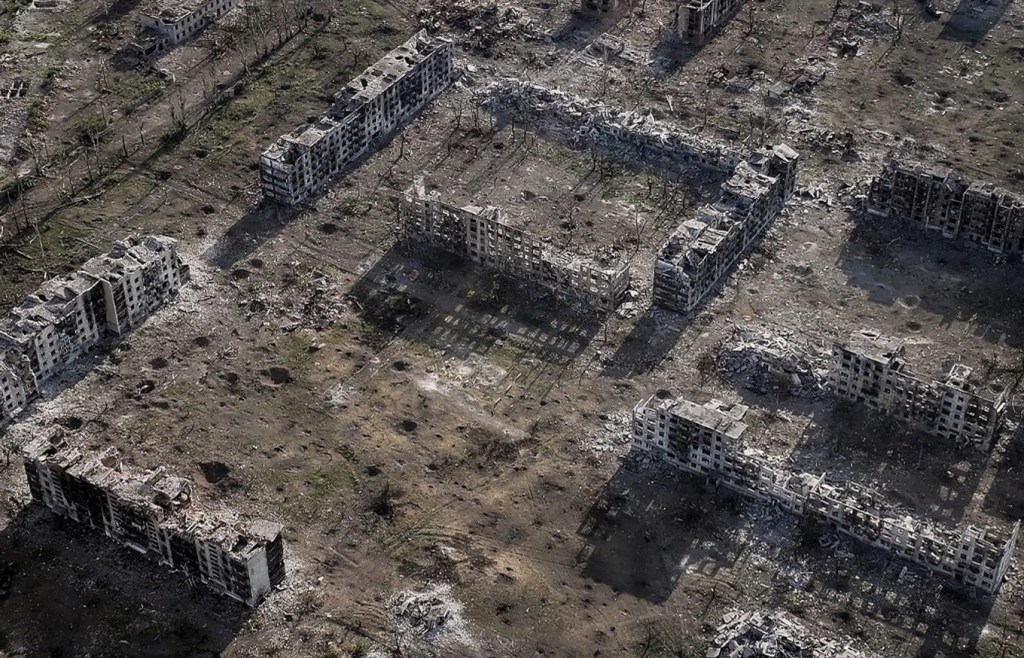
Whilst the prevailing narrative in the West is of Ukrainian victimhood, it would be grossly ignorant to overlook Kiev’s agency in this tragedy. By aligning unconditionally with the West, rejecting neutrality, and dismissing negotiations, Zelensky’s government gambled the nation’s future on a war it could not win without direct NATO intervention—a scenario the alliance wisely avoided. It has been an absolute assurance given by Russia from the beginning that direct NATO intervention would result immediately in cataclysmic global Nuclear Holocaust.
The Silence of Dissent
Critics of the mainstream narrative face intense backlash, billions of Euros have been funnelled into Western propaganda and Western media and governments have systematically marginalised alternative viewpoints, branding any critique of Ukraine or NATO as “Russian propaganda.” This suppression stifles honest debate and obscures the West’s complicity in prolonging the war.

Even as U.S. and EU leaders pledge unwavering support for Ukraine, cracks in the consensus are emerging. A growing segment of the Global South, particularly in Africa and Asia, rejects the Western narrative, framing the conflict as a proxy war rooted in imperial overreach. Meanwhile, European populations, burdened by energy crises and inflation, increasingly question the wisdom of unlimited aid to Kiev.
A Path Forsaken
This analysis does not absolve Russia of its brutality. The invasion violated international law, and the Kremlin’s imperialist rhetoric under Putin cannot be ignored. However, it has arguably become impossible not to face the uncomfortable truths: that Ukraine and its Western patrons share blame for this war, that diplomacy was sacrificed on the altar of hubris, and that the pursuit of “victory” has become a pyrrhic obsession.
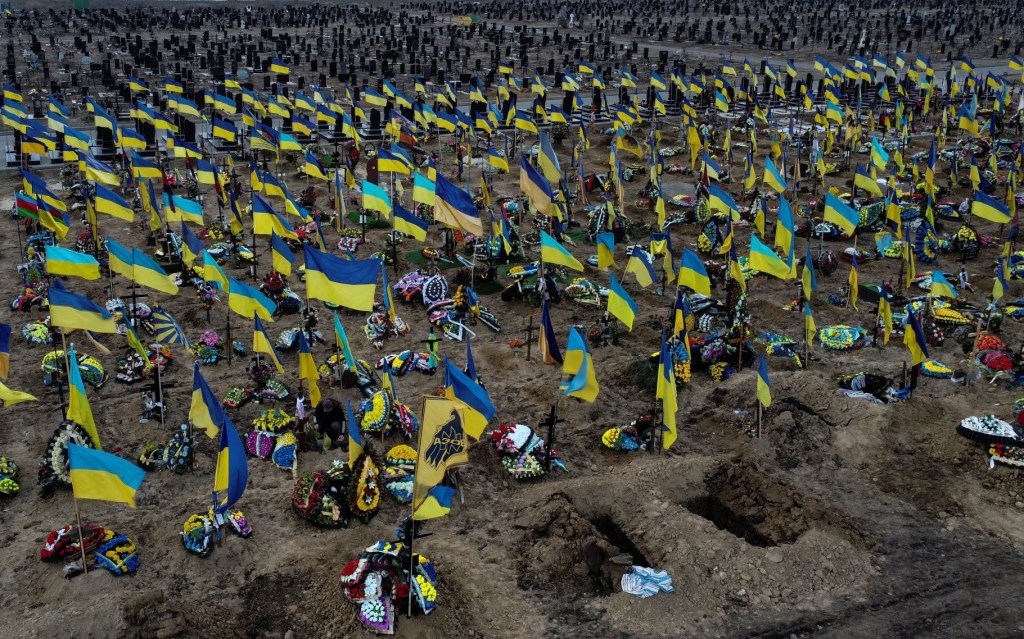
The tragedy of Ukraine is not merely one of bombs and bullets but of failed imagination. It is the story of a world order that privileges domination over dialogue, of leaders who conflate compromise with weakness, and of ordinary people once again caught in the crossfire of great-power ambition. As the war grinds on, the central question lingers: How many more must die before we confront the lies that led us here?
 Edward Torsney
Leave a comment